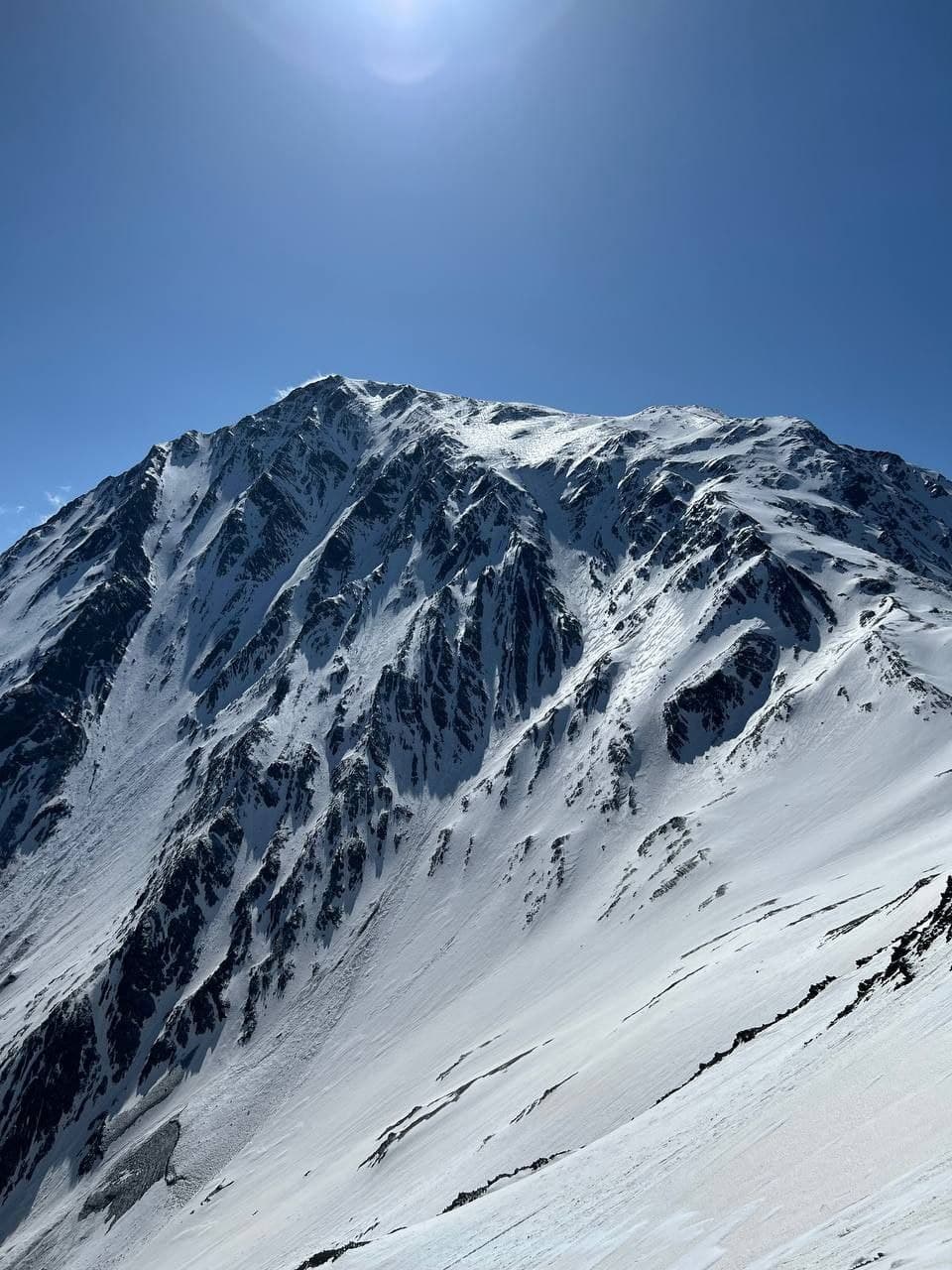
Kedarkantha Trek Guide
Govind Wildlife Sanctuary, Uttarkashi, Uttarakhand
- Duration
- 4–6 Days
- Max altitude
- 3,810 m
- Distance
- 20 km
- Difficulty
- Easy to Moderate
Kedarkantha is one of India's most popular winter treks, offering snow-covered forests, picturesque campsites, and a rewarding summit at 3,810 m. Suitable for beginners with reasonable fitness, it provides spectacular views of peaks like Swargarohini, Bandarpoonch, Black Peak, and Ranglana.
Quick facts
- Region
- Uttarkashi, Uttarakhand
- Base Village
- Sankri
- Maximum Altitude
- 3,810 m
- Trek Distance
- ~20 km
- Duration
- 4–6 Days
- Difficulty
- Easy–Moderate
- Best Time
- Dec–Apr
- Network
- BSNL/Jio in Sankri only
- Permit Required
- Yes
When to go
- Jan in season
- Feb in season
- Mar in season
- Apr in season
- May out of season
- Jun out of season
- Jul out of season
- Aug out of season
- Sep out of season
- Oct out of season
- Nov out of season
- Dec in season
We run this trek on request through the months above. Message us for the next departure.
Ask for datesWhy Choose Kedarkantha?
- Perfect first Himalayan summit.
- Beautiful oak and pine forests.
- Excellent winter snow.
- Comfortable campsites.
- Suitable for families and first-time trekkers.
- One of the best summit sunrises in India.
Highlights
- Snow-covered forests
- Juda Ka Talab campsite
- Kedarkantha summit
- Himalayan sunrise
- Traditional villages
- Govind Wildlife Sanctuary
Best Season
Winter (December–February)
The most popular season. Expect deep snow, frozen lakes, and temperatures as low as −10°C at night.
Spring (March–April)
Snow remains at higher elevations while lower forests bloom with rhododendrons. Milder weather and clearer trails.
Monsoon (July–September)
Not advisedNot recommended due to slippery trails, leeches, and poor visibility.
Autumn (October–November)
Cool temperatures, dry trails, and excellent mountain views before snowfall begins.
Difficulty
Although considered beginner-friendly, the summit day is physically demanding due to the steep ascent and high altitude.
Suitable for:
- First-time trekkers
- Trail runners
- Families with older children
- Photographers
Fitness Requirements
Aim to comfortably complete one of the following:
- Run 5 km in under 35 minutes.
- Walk 10 km carrying a 6–8 kg backpack.
- Climb 20 floors without long breaks.
Recommended 6-Week Training Plan
Weeks 1–2:
- 4 km brisk walk or jog
- Bodyweight squats
- Planks
- Lunges
Weeks 3–4:
- 5–7 km runs
- Stair climbing
- Core exercises
- Backpack hikes
Weeks 5–6:
- Long hikes (10–15 km)
- Interval training
- Mobility and stretching
Day-wise Itinerary
Day 1 · Travel
Dehradun to Sankri
- Drive
- ~200 km
- Time
- 8–10 hours
- Altitude
- 1,950 m
Drive through Mussoorie, Purola, Mori, and Netwar before reaching Sankri, a charming Himalayan village surrounded by pine forests.
Guesthouse or homestay.
Day 2
Sankri to Juda Ka Talab
- Distance
- ~4 km
- Trek time
- 4–5 hours
- Altitude
- 2,700 m
The trail passes through dense forests of pine and oak, with occasional clearings offering views of snow-covered peaks. Juda Ka Talab is a small alpine lake that often freezes in winter.
Camp beside the lake.
Day 3
Juda Ka Talab to Kedarkantha Base Camp
- Distance
- ~4 km
- Trek time
- 3–4 hours
- Altitude
- 3,400 m
The forest gradually opens into expansive meadows. As you gain elevation, you'll begin to see the summit ridge and panoramic views of the surrounding Himalayas.
Camp at Kedarkantha Base.
Day 4
Summit Day and Return to Hargaon
- Distance
- ~6 km
- Trek time
- 7–8 hours
Start before dawn for the summit push. The final climb is steep but rewarding. From the top, enjoy sweeping views of Swargarohini, Bandarpoonch, Black Peak, and other Himalayan giants.
Descend via a different route to Hargaon for the night.
Day 5
Hargaon to Sankri
- Distance
- ~5 km
- Trek time
- 4–5 hours
Descend through forests and meadows back to Sankri.
Day 6
Sankri to Dehradun
Drive back to Dehradun.
Weather
| Month | Day | Night |
|---|---|---|
| December | 5°C | -8°C |
| January | 2°C | -10°C |
| February | 5°C | -8°C |
| March | 10°C | -3°C |
| April | 15°C | 2°C |
| October | 12°C | 0°C |
Flora & Fauna
Common tree species include:
- Oak
- Pine
- Maple
- Rhododendron
Wildlife sightings may include:
- Himalayan Monal
- Barking Deer
- Langur
- Red Fox
- Himalayan Black Bear (rare)
Packing List
Clothing
- Base layers
- Fleece jacket
- Down jacket
- Waterproof shell
- Trekking pants
- Thermal wear
- Woolen socks
- Gloves
- Beanie
Footwear
- Waterproof trekking shoes
- Camp shoes
- Gaiters (winter)
Gear
- 40–50 L backpack
- Rain cover
- Trekking poles
- Headlamp
- Sunglasses
- Water bottles (2 L total)
- Personal first-aid kit
- Sunscreen (SPF 50+)
- Lip balm
Permits
Trekkers require entry permits for the Govind Wildlife Sanctuary. These are usually arranged by registered trek operators, but independent trekkers should obtain them in Sankri.
Safety Tips
- 01Stay hydrated.
- 02Ascend gradually to reduce the risk of altitude sickness.
- 03Start summit day before sunrise.
- 04Layer clothing to manage body temperature.
- 05Do not leave litter on the trail.
- 06Follow your trek leader's instructions in snowy or icy conditions.
Photography Spots
- Sankri village
- Juda Ka Talab
- Kedarkantha Base Camp
- Summit ridge
- Sunrise viewpoint
- Snow-covered forests
Nearby Attractions
- Har Ki Dun
- Ruinsara Tal
- Osla Village
- Taluka
- Govind National Park
Frequently Asked Questions
Is Kedarkantha suitable for beginners?
Yes. It is widely regarded as one of the best beginner-friendly Himalayan treks.
Do I need technical mountaineering skills?
No. Basic trekking fitness is sufficient.
Can I trek solo?
Yes, although hiring a local guide is recommended, especially during winter.
Is there snow in December?
Yes. Snowfall typically begins in late November or December and continues through winter.
Is mobile network available?
Only in Sankri. Once the trek begins, expect little to no network coverage.
Cost Estimate
Indicative ranges to help you budget — not a quote. Message us for current pricing on a specific batch.
| Item | Approximate Cost (INR) |
|---|---|
| Dehradun to Sankri Transport | 1,000–2,000 |
| Trek Package | 6,500–10,500 |
| Equipment Rental | 800–2,000 |
| Personal Expenses | 1,000–2,000 |
Leave No Trace
Follow responsible trekking practices:
- Carry back all non-biodegradable waste.
- Stay on marked trails.
- Avoid disturbing wildlife.
- Respect local customs and communities.
- Minimize campfire use.
DIY Trails Expert Tip
If this is your first Himalayan trek, spend a night in Sankri before starting. The extra acclimatization and rest will make the summit day significantly more enjoyable.
Questions about Kedarkantha?
Ask us about dates, fitness, or whether this is the right first Himalayan trek for you.
Message us on WhatsApp